
Closed source becomes “open” source
Ever since GPT-4 demonstrated that it could reconstruct readable C code from disassembly — and more recently, Codex helped me with several interoperability projects — the writing has been on the wall for code secrecy: Eric S. Raymond (ESR), co-founder of the Open Source Initiative and author of the influential essay “The Cathedral and the Bazaar”, mused that “code secrecy is dead” and “It means you're in an open-source world now.”:

He later clarified that LLMs can even work off binaries - no decompilation needed:

Thus, he concludes “The death of closed source, and the final triumph of open source” — but concedes that SaaS and patents continue to provide a moat.
Consequently, fan-projects have recently sprung up to port historic games to the browser, only to be taken down by the original rights owners (12 to date).

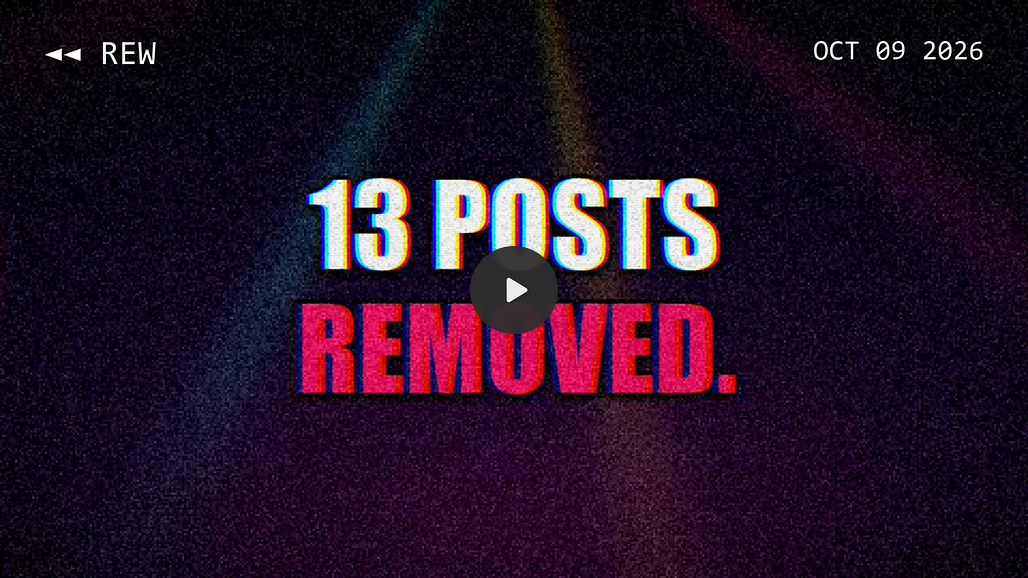

Blocks - and account closure
What’s more, the popular Reverse Engineer Anything MCP server now reportedly trips over Claude’s safety classifiers:


And OpenAI takes an even more rigorous stance, with issuing account warnings for Cyber Abuse:


(I also got an account warning for Cyber Abuse after Codex found an embedded Bearer Token in app, ran context compaction, and automatically decided to try the Bearer Token on a live web service endpoint — so can confirm that such warnings against terms of service violations may happen accidentally).
Open weights models to the rescue - with caveats
To avoid the whims of the big players, some point at abliterated models. However, users may want to consider supply chain risks as backdooring models can be done cheaply:

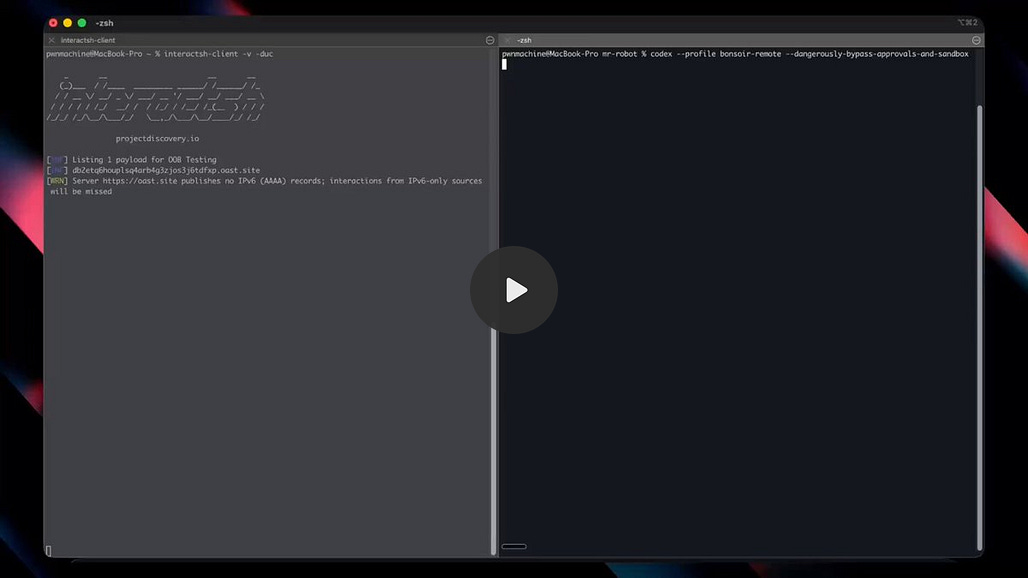
A middle ground that has so far worked for me is using a stock open-weights model (e.g. DeepSeek V4 Pro 0813) for reverse engineering, analysis, specification writing and PoCs — and GPT-6 for implementation based on these intermediate artifacts. This avoids relying on modified models of uncertain provenance, while keeping the investigative work independent of the guardrails imposed by proprietary AI services.
There is a certain irony in all this: AI is making closed-source software increasingly transparent, yet our ability to examine it may depend on the permission of AI providers whose own models remain largely inscrutable — and whose guardrails can change without warning.